A car that takes longer to start on a cold morning, struggles to accelerate, or suddenly makes an unfamiliar noise may be asking for attention. These changes can be easy to overlook when your vehicle still gets you where you need to go. However, a failing engine can become a much bigger problem when worn components have to deal with colder temperatures and winter driving conditions.
Pay Attention to Changes in Performance
Your engine should start consistently and respond smoothly when you press the accelerator. If it begins hesitating, stalling, idling roughly, or losing power, something may need attention. These symptoms can be connected to fuel delivery, ignition components, sensors, or internal engine problems.
Watch Your Dashboard and Exhaust
Warning lights and unusual exhaust can also tell you something is wrong. Keep an eye out for:
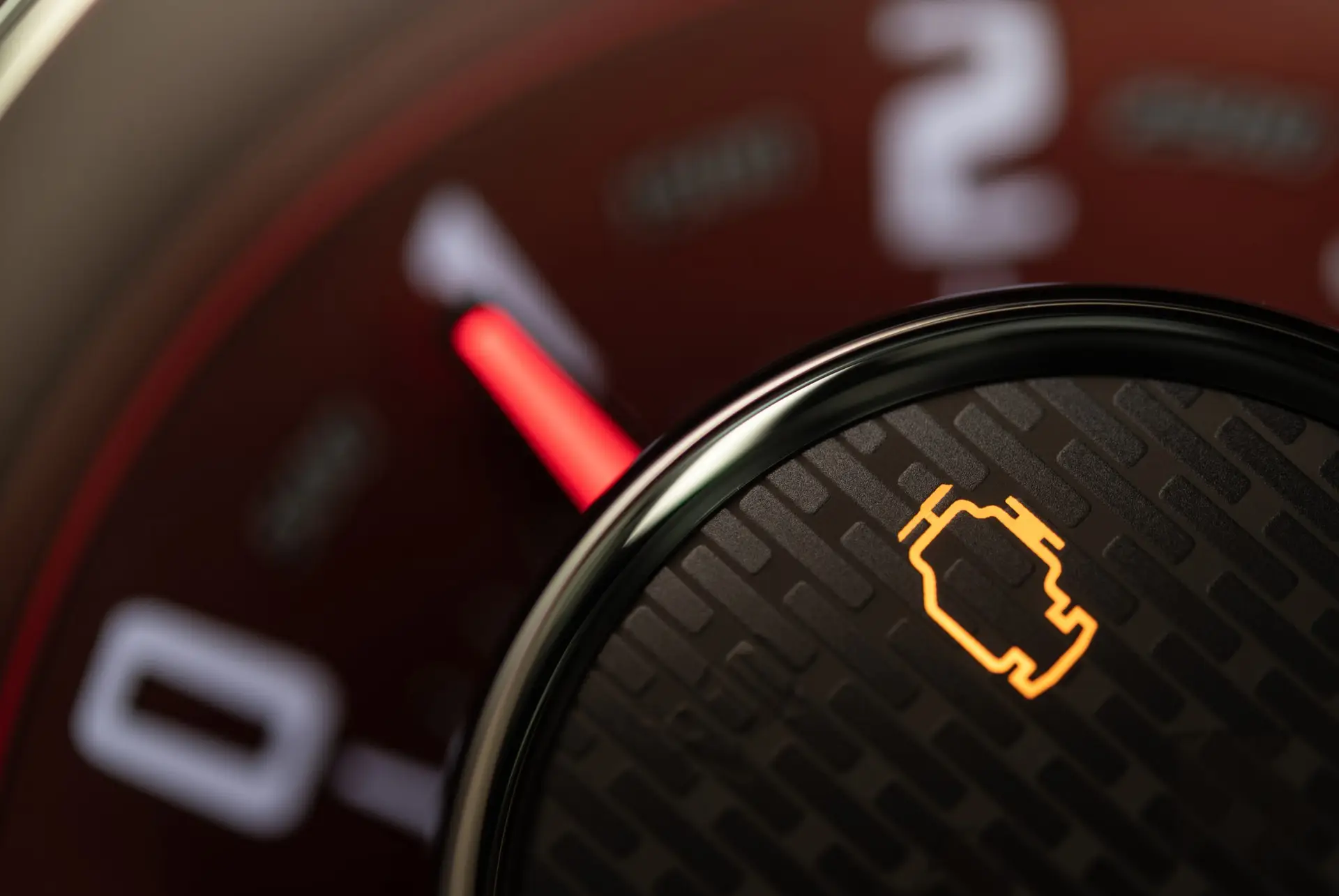
- A check engine light that stays on or flashes
- Blue, white, or black exhaust smoke
- Rising engine temperatures
- Unusual knocking or ticking sounds
- A sudden drop in fuel economy
These signs of a failing engine can have different causes, so proper testing is important.
Why Address Engine Problems Before Winter?
Cold starts can put additional strain on an engine, particularly when components are already worn. Old fluids, weak batteries, damaged belts, and cooling system problems can also affect performance during colder weather. For drivers in Vancouver, Washington, getting these concerns addressed before winter can help reduce the chance of an unexpected breakdown.
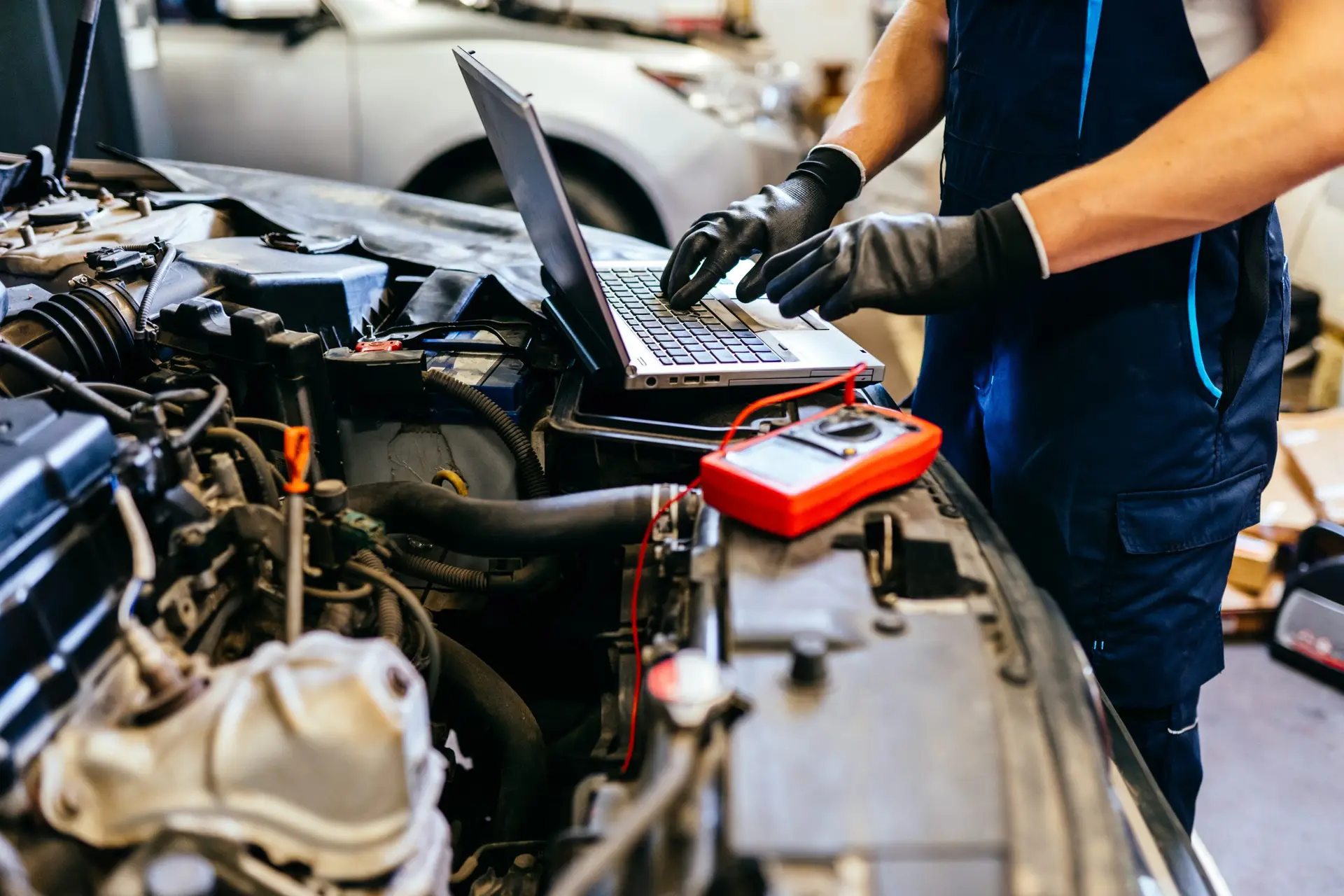
Master Tech Automotive can inspect your vehicle, identify the source of performance issues, and recommend the repairs it needs. If you suspect a failing engine, early attention can help prevent further damage and avoid more expensive repairs. Do not wait for your engine to leave you stranded on a cold morning.
Schedule an engine inspection with Master Tech Automotive and get your vehicle ready for the months ahead.